

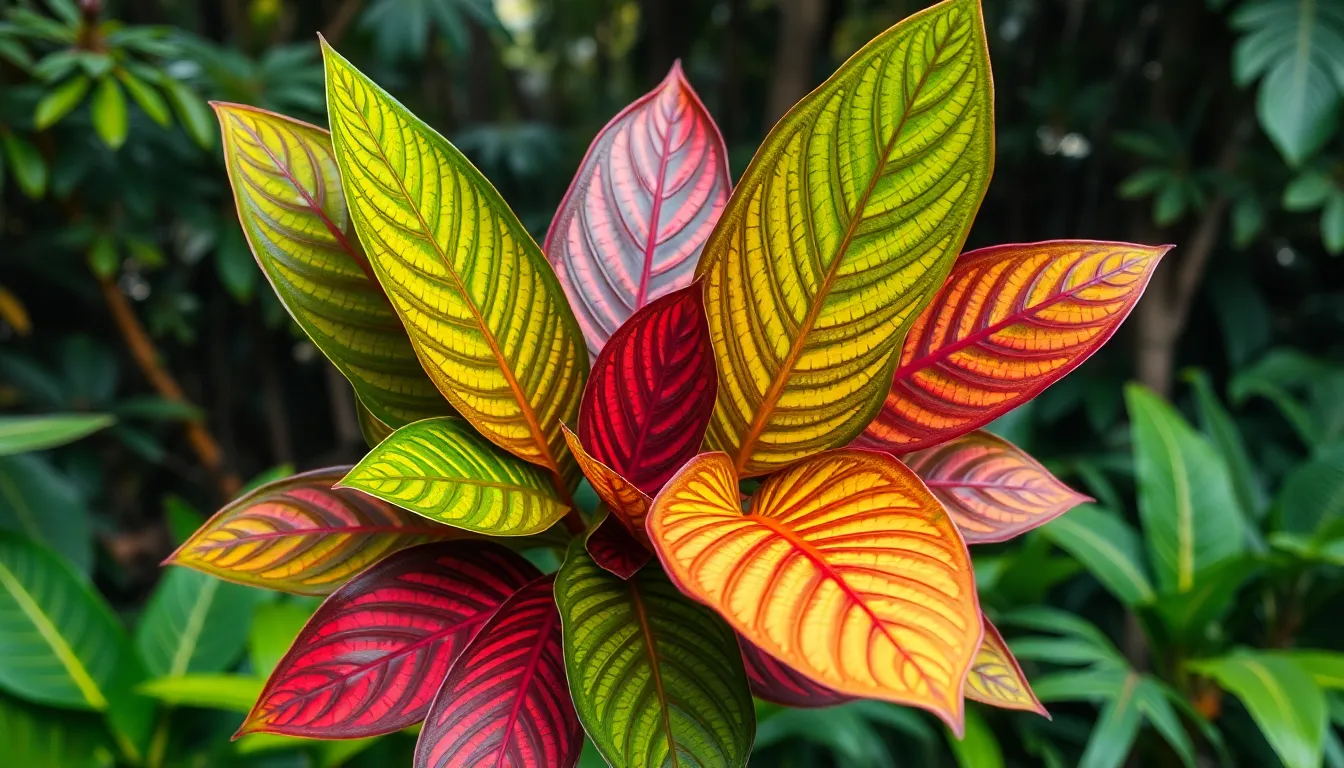
Chrysipusya might sound like the name of a new dance craze or a fancy cocktail, but it’s actually a fascinating topic worth exploring. This unique subject holds secrets that could pique anyone’s curiosity. Imagine diving into a world where nature and science collide, revealing stunning insights that could change how one views the environment.
Overview of Chrysipusya
Chrysipusya refers to a unique genus within the plant kingdom, characterized by its vibrant foliage and diverse habitat preferences. This genus thrives in various environments, ranging from temperate forests to tropical regions. Research indicates that Chrysipusya species exhibit remarkable adaptations that enhance their survival, such as drought resistance and shade tolerance.
Botanical studies reveal the striking features of Chrysipusya plants, including their intricate leaf structures and colorful blooms. These characteristics not only attract pollinators but also contribute to ecosystem diversity. Ecologists emphasize the importance of such plants in maintaining healthy habitats, as they provide food and shelter for numerous organisms.
Cultivation of Chrysipusya garners interest among horticulturists due to its ornamental value. People appreciate its aesthetic qualities, leading to an increased presence in gardens and landscaping projects. Various species exhibit distinct growth habits, making them suitable for different design purposes.
Conservation efforts for Chrysipusya are essential, especially given the challenges posed by climate change and habitat loss. Scientists advocate for sustainable practices to ensure the longevity of this genus. Ensuring its preservation will support biodiversity and ecosystem resilience.
Overall, understanding Chrysipusya reveals essential insights into botanical sciences and environmental sustainability. With proper research and cultivation strategies, this captivating genus can flourish and continue to enrich its ecosystems.
Characteristics of Chrysipusya
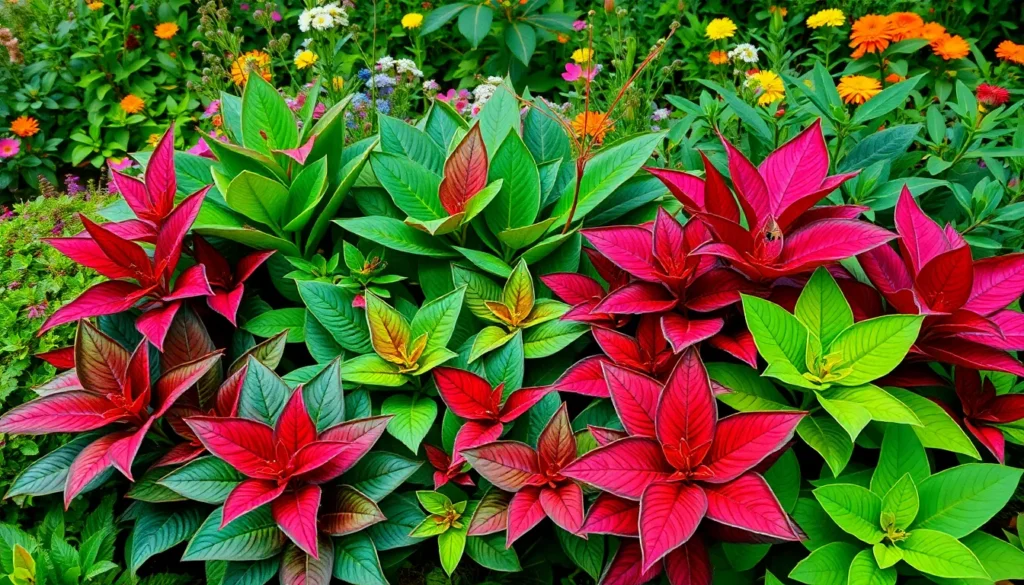
Chrysipusya exhibits distinct characteristics that set it apart in the plant kingdom, emphasizing its ecological significance.
Physical Appearance
Chrysipusya features vibrant foliage that captures attention in various landscapes. Leaves display intricate structures that serve both aesthetic and functional purposes. Colors range from deep greens to striking reds, with some species showcasing variegated patterns. Blooms, when present, add to this visual appeal, attracting a range of pollinators, which boosts local biodiversity. Height and growth habits vary among species, allowing adaptability in diverse environments. Overall, its striking features enhance garden designs and natural ecosystems.
Behavioral Traits
Chrysipusya demonstrates impressive resilience in its natural habitats. Adaptations allow it to survive in conditions with varying moisture levels, showcasing drought resistance. Some species exhibit shade tolerance that enables them to thrive in forest understories. Growth patterns often reflect their surroundings, adjusting to light availability and competition. These traits enhance their role in ecosystem stability, helping maintain biodiversity. Understanding how Chrysipusya behaves in its environment reveals the intricate connections within plant communities.
Habitat and Distribution
Chrysipusya thrives in various environments, showcasing its adaptability. Its preferred habitats encompass a wide range of ecosystems, from temperate forests to tropical rainforests. This diversity in environmental preferences allows Chrysipusya to flourish in both shaded areas and regions with direct sunlight. Additionally, they exhibit resilience against drought conditions, which enhances their survival in fluctuating climates.
Preferred Environments
Chrysipusya species favor environments with well-drained soils, often found in areas that receive moderate to high humidity. These plants succeed in locations that provide adequate light while offering protection from harsh elements. Dense undergrowth and canopy structures commonly host these species, facilitating their growth. Variegated leaves and vibrant blooms develop well in these chosen habitats, attracting essential pollinators to support surrounding ecosystems.
Geographic Range
The geographic distribution of Chrysipusya is quite extensive. Species exist across multiple continents, with a notable presence in Asia and South America. They adapt to both coastal and inland regions, allowing them to colonize various ecological zones. Climate variations across these regions contribute to the unique characteristics observed in different Chrysipusya species. Diverse growth forms, unique foliage patterns, and reproductive strategies reflect the plant’s ability to thrive in each geographical niche.
Importance of Chrysipusya
Chrysipusya plays a vital role in its ecosystems. Understanding its ecological contributions showcases its significance in maintaining environmental balance.
Ecological Role
Chrysipusya species contribute significantly to ecosystem health. They support local pollinators, enhancing biodiversity through vibrant blooms that attract various insects. Specialized leaf structures allow these plants to thrive in diverse conditions, promoting resilience. Drought-resistant varieties help stabilize soil, reducing erosion through extensive root systems. Shade-tolerant types also offer crucial habitats for smaller organisms, creating rich ecosystems. Overall, Chrysipusya’s adaptive features underscore its importance in ecological stability.
Cultural Significance
Chrysipusya holds substantial cultural value in various traditions. Many communities incorporate these plants into rituals and celebrations, symbolizing beauty and endurance. Artists often draw inspiration from its vivid colors, reflecting the aesthetic appeal of this genus. Landscaping trends also feature Chrysipusya, highlighting its ornamental qualities in gardens and public spaces. Homeowners value its low maintenance needs, while horticulturists advocate for its use in sustainable gardening. The cultural motifs surrounding Chrysipusya demonstrate its integral role in human connection to nature.
Conservation Status
Chrysipusya faces numerous conservation challenges. Habitat loss significantly threatens its existence, driven by urbanization and agricultural expansion. Climate change impacts also alter the suitable environments for these species, pushing them toward regional extinction.
Current studies categorize various Chrysipusya species as vulnerable or endangered. The IUCN Red List has identified specific species struggling against declining populations. Conservationists highlight the necessity of preserving their natural habitats to prevent further decline.
Sustainable practices play a crucial role in conserving Chrysipusya. These practices foster biodiversity enhancement within their ecosystems, providing resilience against environmental changes. Effective strategies include habitat restoration and protection from invasive species.
Community engagement offers another avenue for progress. Educating local populations about the ecological benefits of Chrysipusya can promote conservation efforts. Participation from local gardeners and horticulturists encourages the cultivation of these plants in home gardens, reinforcing their presence.
Research initiatives are essential for understanding the adaptive strategies of Chrysipusya. Scientists conduct field studies to assess how these plants respond to changing climates. Findings contribute to developing effective conservation measures tailored to individual species.
Collaboration among stakeholders proves vital. Government agencies, non-profits, and local communities can unite their efforts for impactful conservation actions. Such partnerships can create awareness campaigns, fund research, and support habitat restoration projects.
Ultimately, protecting Chrysipusya encompasses preserving the rich biodiversity it supports. Fostering healthy populations of these plants ensures the stability of surrounding ecosystems. Recognizing their ecological significance promotes the urgency of ongoing conservation efforts.
Chrysipusya stands out as a remarkable genus that intertwines beauty with ecological importance. Its vibrant foliage and unique adaptations make it a vital component of diverse ecosystems. As awareness grows about its significance, the need for conservation becomes increasingly critical.
Protecting Chrysipusya not only preserves its striking aesthetic qualities but also supports the myriad of species that rely on it for survival. Engaging communities in conservation efforts can foster a deeper appreciation for these plants and their roles in maintaining environmental balance.
By championing sustainable practices and habitat protection, it’s possible to ensure that Chrysipusya continues to thrive for generations to come.